
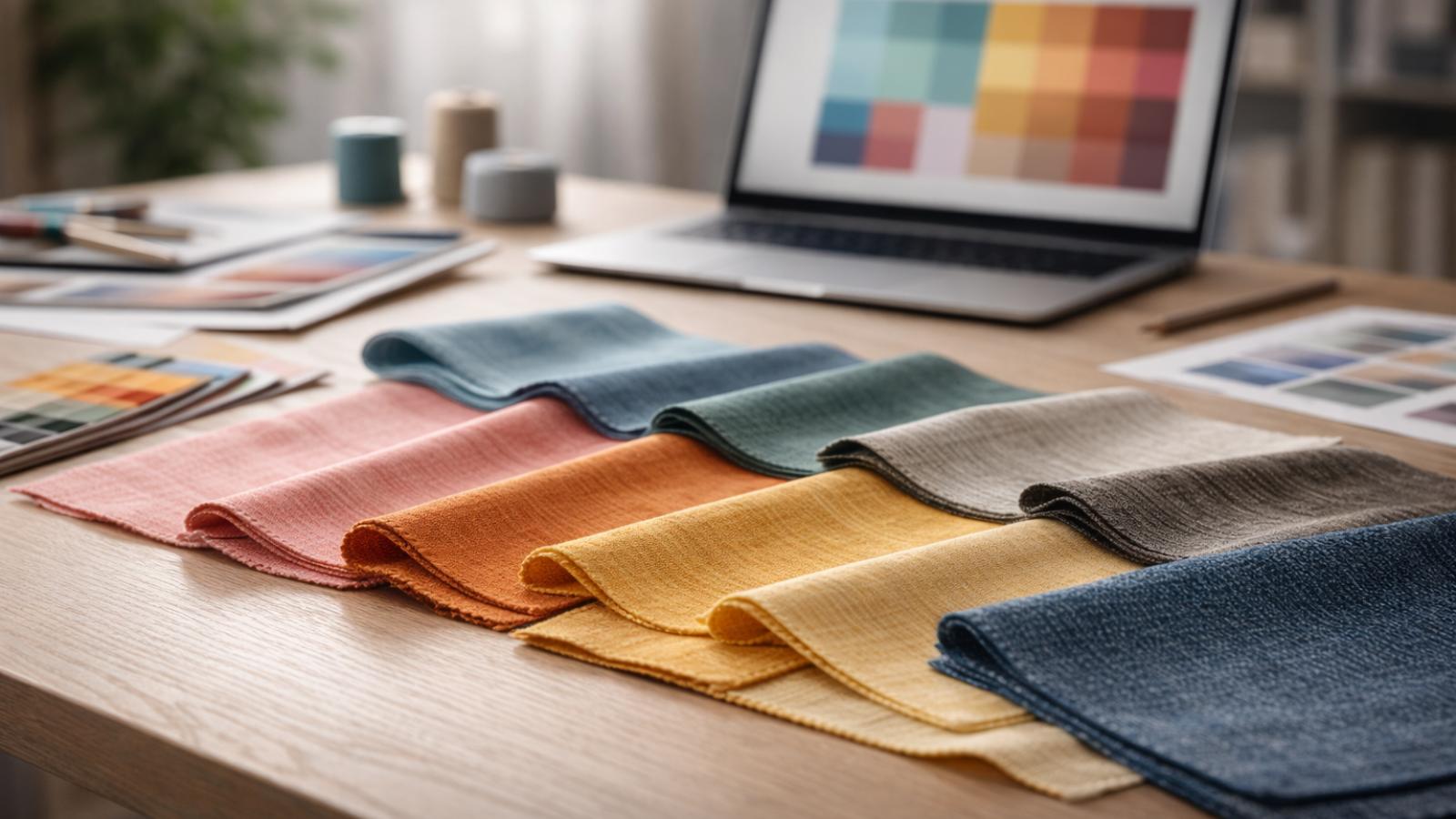
Color performance in textiles is one of the most influential yet misunderstood aspects of quality. While color is often treated as a visual or aesthetic concern, it is deeply connected to material science, process control, and long term product performance. In many textile products, perceived quality rises or falls based on how color behaves during use, care, and aging.
As quality systems evolve beyond defect detection, color performance has become a meaningful indicator of how well materials, processes, and expectations are aligned across the supply chain. Understanding this connection is essential for brands that aim to deliver consistency, durability, and trust.
Understanding Color Performance in Textiles
Color performance in textiles refers to how color behaves from fiber selection through dyeing, finishing, use, and repeated care. It includes measurable factors such as colorfastness, shade stability, and resistance to light, washing, rubbing, and perspiration. It also includes less tangible elements such as visual depth, surface interaction, and perceived richness.
Different fibers interact with dyes in different ways. Cotton absorbs dyes differently than wool, silk, or polyester. Blended fibers introduce additional complexity, often resulting in uneven uptake or unexpected tonal variation. These behaviors are not defects by default, but material characteristics that must be understood and managed.
When color performance is ignored or oversimplified, quality problems often surface late in development. What appears acceptable in sampling may fail under real use conditions, leading to customer dissatisfaction and costly corrective actions.
Color Management as a Quality Discipline
Color management is often treated as a technical or design task, but in practice it functions as a quality discipline. It requires coordination between design intent, material selection, process capability, and measurement standards.
Effective color management depends on shared references, controlled lighting conditions, and realistic tolerances. Digital color tools and standardized palettes can support alignment, but they cannot override physical material behavior. Without understanding fiber properties and fabric construction, even the most precise color systems fall short.
Quality focused organizations treat color decisions as early stage commitments rather than late stage adjustments. This reduces variability, improves predictability, and strengthens collaboration between teams.
Color Disputes Across Design and Supply Chains
In manufacturing environments, early decisions around material flow, inspection points, and process setup strongly influence how color consistency is achieved at scale.
Disagreements about color are common in textile development. Designers, buyers, and product developers often work from visual references such as Pantone palettes or digital mockups. Fabric suppliers operate within the constraints of fiber chemistry, dye affinity, and production realities.
These conflicts are rarely caused by poor execution. More often, they arise from mismatched expectations. The same color reference can appear warmer, cooler, lighter, or deeper depending on fiber type, yarn structure, and surface texture. Absorption levels and light reflection vary widely across materials.
When collections rely heavily on color as a value driver, these differences become especially visible. Without early alignment on fabric qualities and fiber content, maintaining consistent color across styles becomes difficult.
Quality systems that acknowledge these realities focus on prevention rather than correction. By selecting compatible fabrics and defining achievable color outcomes, teams reduce friction and improve results.
Color Performance as a Quality Indicator
Color performance offers a unique lens through which to evaluate overall textile quality. A fabric that maintains color integrity through use demonstrates not only good dyeing practices, but also sound material selection and process control.
Evaluating color as a quality indicator encourages teams to look beyond appearance at delivery. It prompts questions about durability, environmental exposure, and long term customer experience. These considerations align closely with modern quality management principles.
For professionals seeking a deeper understanding of how color interacts with fiber, structure, and perception, Color Performance in Textiles provides a comprehensive exploration of these relationships. The book examines color behavior from raw material to finished fabric, connecting technical performance with sustainability, visual psychology, and practical decision making across design and manufacturing.
Color Performance Within Total Quality Management
Treating color performance as part of a structured quality system aligns closely with the principles of total quality management and process-based quality assurance.
Total quality management emphasizes consistency, continuous improvement, and cross functional collaboration. Color performance in textiles fits naturally within this framework.
When color is treated as a measurable and manageable quality attribute, it becomes part of process evaluation rather than a subjective afterthought. Testing protocols, material standards, and feedback loops can be designed to capture color related risks early.
This approach supports better supplier relationships, clearer communication, and more resilient quality systems. It also reinforces the idea that quality is not defined by isolated metrics, but by how well all elements of a product work together.
Building Reliable Textile Quality Systems
Strong textile quality systems recognize that color, material, and process are inseparable. Decisions made at the fiber and fabric level shape what is possible later in dyeing, finishing, and production.
Organizations that invest in understanding color performance gain more than visual consistency. They gain predictability, reduced waste, and products that age gracefully. Over time, this builds trust with customers who associate consistent color with reliability and care.
As quality expectations continue to rise, color performance in textiles will remain a critical area of focus. Those who treat it as a strategic quality component rather than a surface detail will be better positioned to deliver lasting value.
Leave a Reply